Ref: https://www.osc.ny.gov/reports/osdc/construction-industry-new-york-city-recent-trends-and-impact-covid-19
Report Date: March 17, 2022 | Last Updated: May 19, 2026
NYC Construction Gets Its Second Wind — Why It Matters Right Now
New York City’s construction industry found itself in the eye of the storm during the COVID-19 pandemic. According to the Office of the State Comptroller, the city’s construction employment plunged by a staggering 14.4% in 2020—a loss of over 23,300 jobs, a drop even steeper than the private sector as a whole. Entire sites fell silent, timelines broke down, and the city’s iconic skyline seemed to pause.
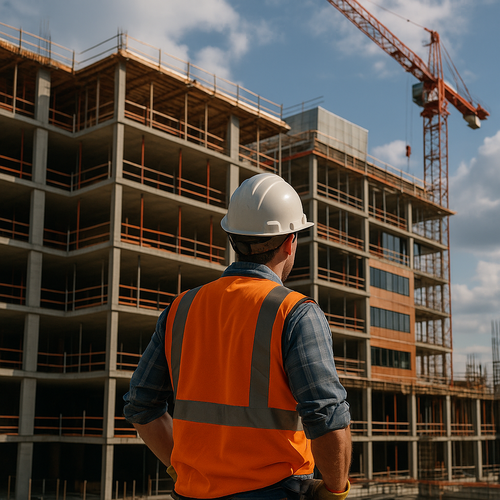
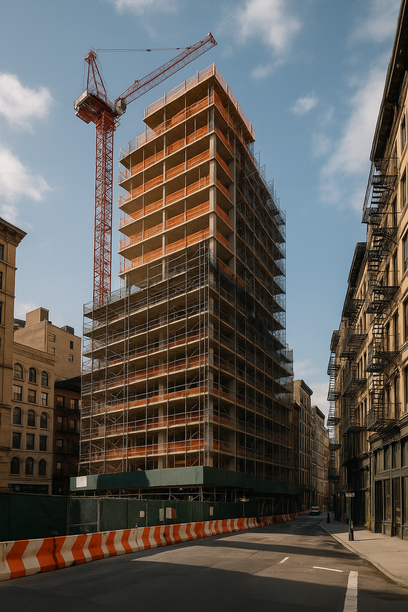
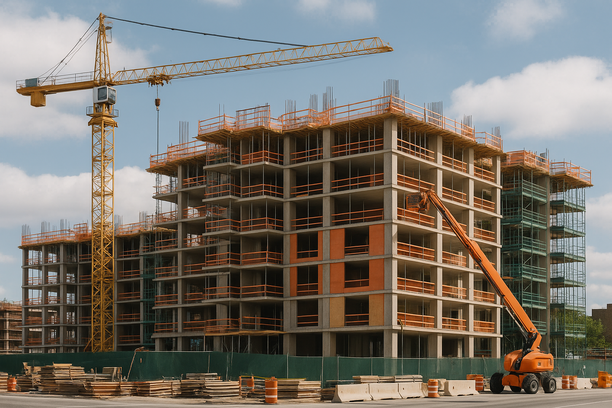
But as we look at the most up-to-date numbers, a new narrative is emerging: New York City construction is roaring back, setting the stage for an industry transformation that every contractor, developer, and construction manager should pay attention to. The projections are stunning—$74 billion in city construction spending by the end of 2025, according to the New York Building Congress, with residential projects accounting for about 70% of new floorspace.
This industry rebound isn’t just making headlines—it’s reshaping hiring, operations, risk, and technology needs. If you run a 30–200-person construction firm in NYC and manage your finances, jobs, and compliance through Sage 300 CRE, these shifts should be front and center on your radar.
NYC Construction’s Roller-Coaster: A Tale of Crisis and Comeback
– 2020: A Historic Decline
The construction sector was one of the hardest-hit in New York. While many essential industries limped along, construction went into freefall. According to the Comptroller’s data, “The City’s construction employment declined by 14.4 percent (23,300 jobs) in 2020, worse than for the private sector overall.” Thousands of skilled tradespeople were furloughed or let go, and supply chain snags turned months-long projects into neverending sagas.
– 2021–2025: The Recovery—and Then Some
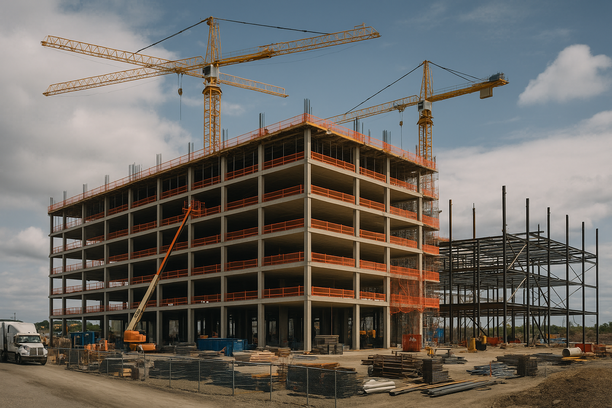
Starting in late 2021, the wheels began turning again. Backed by private investment, government infrastructure initiatives, and a citywide appetite to build back better, construction employment started to recover. Permitting picked up. Steel and concrete started to flow. The eye-opener is the scale of the rebound:
– Projected to hit $74 billion in construction spend by 2025
– Residential work leading the pack (70% of projected floorspace)
– Resurgence in commercial buildouts, renovations, and infrastructure
– Not Just the Big Guys
The rebound isn’t limited to multinational developers. Mid-sized, privately held firms—especially those focused on residential, interior, and specialty contracting—are seeing a surge in bidding opportunities and project volume.
What’s Driving NYC’s Construction Comeback?
1) Population Shifts and Housing Demand
Post-pandemic, New York’s population dynamics have shifted. The city remains a top global destination, with pent-up demand for housing sparking a flurry of residential towers, multifamily developments, and affordable housing projects. This is fueling billions in new work across boroughs beyond Manhattan.
2) Infrastructure Infusion
City and federal initiatives have unlocked funding for critical infrastructure—the Gateway Tunnel, Penn Station rehabilitation, bridge replacements, and school upgrades. These projects create ripple effects throughout the construction value chain, benefiting everyone from concrete suppliers to specialty subcontractors.
3) Corporate Real Estate Evolution
Offices aren’t dead—they’re being reborn. Corporate clients are repurposing, retrofitting, and greening their spaces, triggering a new wave of tenant improvements (TIs), adaptive reuse, and smart building systems.
The Challenges Behind the Headlines: Labor, Risk, and Resilience
– Labor Scarcity
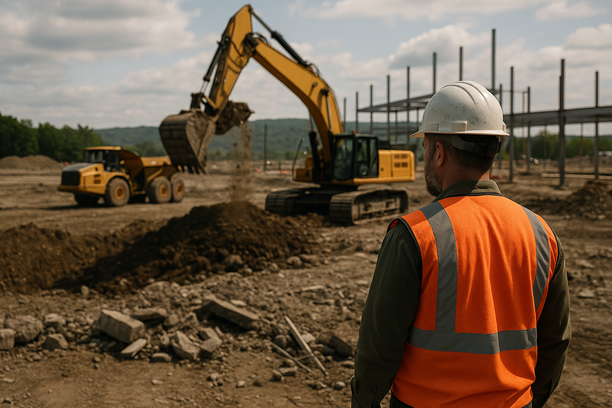
Even as jobs return, contractors report difficulty hiring skilled labor. The generation gap in trades, pandemic-driven career shifts, and immigration constraints limit the available workforce.
– Supply Chain Whiplash
Material prices and lead times remain unpredictable. Contractors face volatile costs for steel, electrical, and building systems—squeezing margins and complicating job costing.
– Rising Regulatory Burden
Higher safety standards, more rigorous project documentation, and aggressive sustainability targets add new compliance requirements at every turn.
– Technology Pressure
The scale and speed of today’s rebound mean laggy back offices are costly. Bidding, billing, and payroll must be automated, accurate, and audit-ready. Leveraging Sage 300 CRE—and integrating it with project management and field ops—has become make-or-break.
What This NYC Construction Boom Means For You
If you lead a privately held construction firm in NYC and manage projects, financials, or compliance in Sage 300 CRE, the post-pandemic boom brings opportunity—and pressure on workflows, data accuracy, and risk management.
– Work Is Plentiful, but Only for the Agile
Bid faster, manage schedules tighter, and watch cost overruns. Tracking commitments and receivables in Sage must be seamless and real-time.
– Margins Are Under Attack
Labor and material surprises are unacceptable. Integrate field data with management reports and automate AP and payroll to protect profits and avoid last-minute fire drills.
– Documentation Is Double-Checked
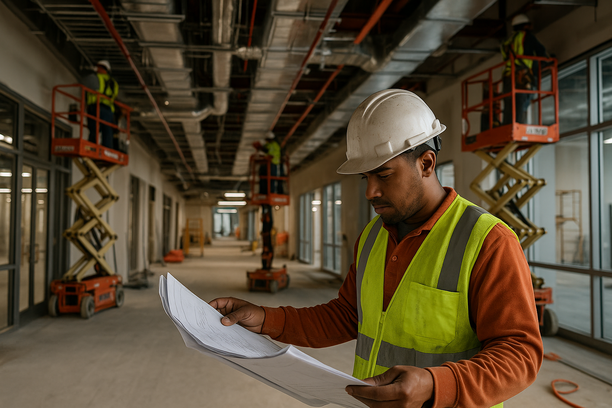
Audits, insurance, and client documentation have grown in complexity. Ensure Sage, Procore, and other tools sync—so backups, compliance, and change orders never fall through the cracks.
Frank’s Insights: Building Resilience Into Your Construction IT
– Automate Your Sage Workflows:
Daily cost updates, digital timesheets, and paperless change orders are necessities, not luxuries.
– Integrate Field and Office in Real Time:
Use mobile capture, dashboards, and tight integrations to maintain a live picture of project health.
– Scenario Plan for Market Volatility:
Build “what if” models in Sage—labor cost hikes, supply delays, or regulatory curveballs.
– Stay Audit Ready:
Every project, invoice, and compliance document should be retrievable in two clicks, not twenty phone calls.
If you’ve outgrown your IT approach—or your Sage 300 CRE system is holding you back—now is the moment to tighten processes and get ahead of the next market shock.
Craving More Resilience in Your Construction Ops?
Let’s talk. See how construction leaders in NYC are leveraging smart IT, cloud workflows, and Sage 300 CRE to stay profitable during the market’s most unpredictable surge in decades.
Reference:
The Construction Industry in New York City: Recent Trends and Impact of COVID-19 – Office of the State Comptroller: https://www.osc.ny.gov/reports/osdc/construction-industry-new-york-city-recent-trends-and-impact-covid-19