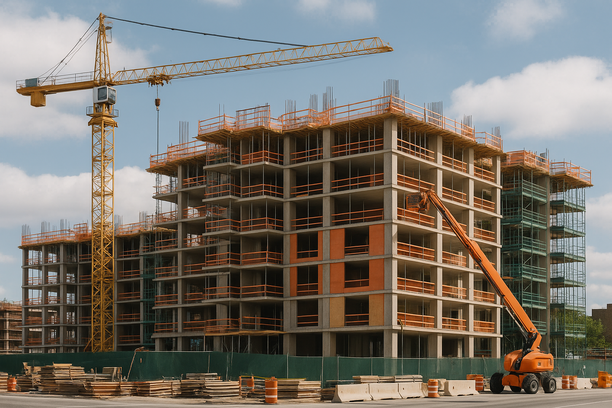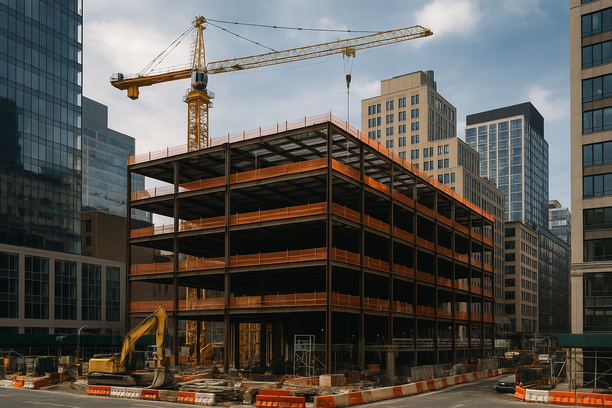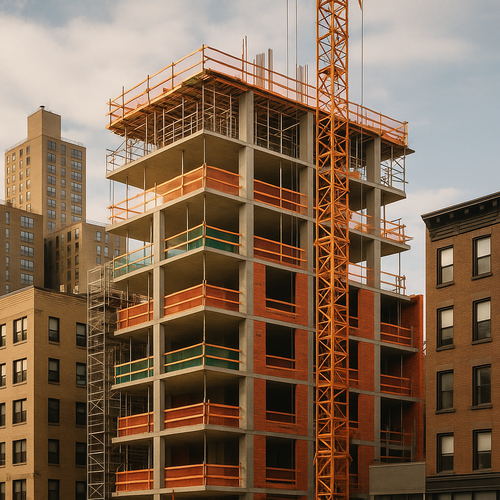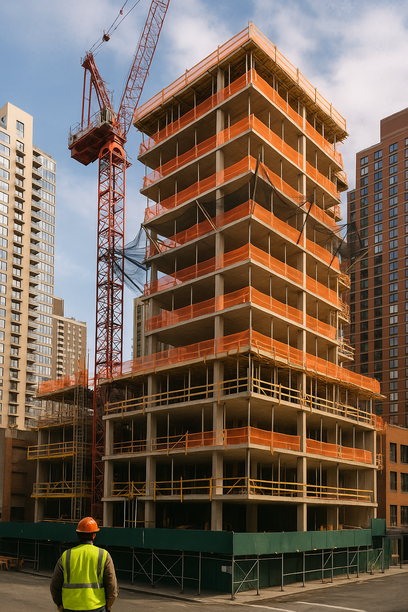

A new wave of office-to-apartment conversions is reshaping Midtown and the Financial District. One Manhattan office building has secured a $203 million loan to convert into 192 apartments, while a FiDi tower landed $175 million for its own transformation. These headline deals signal institutional confidence and a sustained pipeline for adaptive reuse across New York City.
Why this matters for NYC construction firms (especially 30–200 employee contractors using Sage 300 CRE): conversions change the job mix and raise the bar on execution. Precision scheduling, rapid change orders, rigorous job costing, and airtight compliance are no longer nice-to-haves—they are essential to protect margins and meet lender, owner, and regulatory expectations.
What is driving the surge:
– Institutional confidence: large loan packages back conversions over traditional office lease-up bets
– Developers chasing demand: residential rents outperform struggling office floors
– Regulatory windows: zoning tweaks, incentives, and faster permits open pathways for projects
Nuances and headwinds:
1) Engineering surprises: intensive demo, gut rehabs, major MEP system overhauls, and frequent structural retrofits
2) Permitting complexity: variances, historic review, and community input can slow progress
3) Cash flow crunches: front-loaded demo and unforeseen conditions challenge budgets early
4) Compliance load: affordable set-asides, wage rules, and green mandates increase reporting demands
5) Compressed schedules: lenders and owners push for rapid, revenue-ready delivery
Market context:
– 2024–2026: hundreds of NYC office buildings may be evaluated for conversion, focusing on older, less efficient stock
– Labor impact: steadier work for union and non-union trades as ground-up office slows
– Tech and supply chain: rising need for systems that manage vendors, just-in-time schedules, digitized documents, and integrated compliance
Action points for construction leaders:
– Stay agile in project management: streamline change orders, budgeting, RFIs, and field documentation
– Invest in preconstruction: laser scanning, deep plan reviews, and conversion-specific estimating models
– Strengthen your IT backbone: optimize Sage 300 CRE, integrations, real-time cost visibility, and lender-ready reporting
– Train for regulatory complexity: Fair Housing, Local Law 97, MWBE reporting, wage and sustainability mandates
The bottom line:
NYC’s next boom is inside existing buildings. Contractors that treat technology as a core capability—tight job costing, automated workflows, and compliance-by-design—will convert volatility into durable margins. With many more projects in the pipeline, now is the time to harden your back office, streamline Sage 300 CRE, and upskill your teams before conversions become the norm.
Source: New York Construction News – The Business Journals: https://www.bizjournals.com/newyork/news/commercial-real-estate/construction