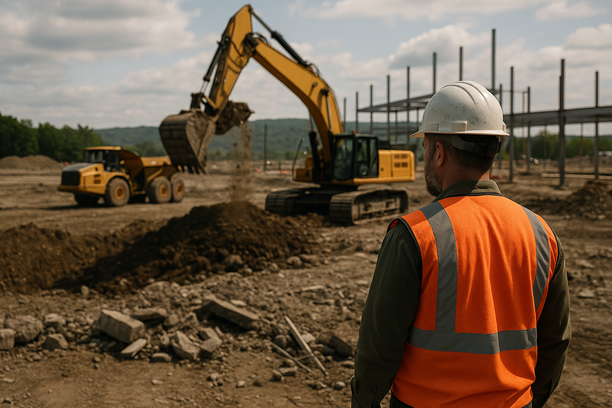
The heat is on for NYC construction. A recent update from the Construction Management Association of America spotlights OSHA’s revised National Emphasis Program (NEP) on Outdoor and Indoor Heat-Related Hazards. First launched in 2022 and refreshed for today’s climate realities, the NEP is gaining urgency as extreme heat events become more frequent—and as New York City jobsites face longer, hotter seasons.
What’s the news: OSHA is making heat safety an enforcement priority. The NEP is not a suggestion; it is a nationwide directive that ramps up inspection activity and documentation reviews at both outdoor and indoor jobsites.
– Targeted inspections during high-heat periods, with a special focus on construction and manufacturing.
– Prioritized attention on industries with histories of heat-related injuries.
– Required proof of compliance: drinking water, shaded rest breaks, acclimatization procedures, and training records.
As record temperatures hit cities coast to coast, NYC contractors should expect stricter heat enforcement from spring through fall.
Why this matters in NYC construction: Recent summers have brought multiple 90-degree-plus heat waves during peak construction activity. For privately held NYC contractors with 30–200 employees—especially those scaling on Sage 300 CRE—the implications are immediate.
– Regulatory risk just increased: fines for heat violations are steep; inspectors want to see written plans, training logs, and incident documentation that are accessible and auditable.
– Project delays and cash flow exposure: heat illnesses or violations can trigger job shutdowns and schedule slippage.
– Labor shortage pressure: tighter safety expectations can strain already limited crews and margins.
– Reputation with owners and unions: preventable safety lapses jeopardize prequalification and future work.
Context: why now. 2024 marked America’s hottest summer on record, and New York’s average temperatures continue to climb. Heat-related deaths in construction outpace nearly all other industries, and owners increasingly require proof of advanced safety protocols in bids, submittals, and closeout packages. NYC’s dense, vertical jobsites compound risk:
– Tower crane crews working in direct sun and wind at elevation.
– Concrete finishers battling heat and humidity inside partially enclosed structures.
– Electricians and plumbers working indoors without AC in heat-trapping spaces.
– Delivery, security, and logistics staff cycling between exterior zones and trailers.
What the NEP requires now. Every NYC contractor should have a clear, documented program that addresses:
– A written heat illness prevention plan covering hydration, shaded rest breaks, acclimatization for new and returning workers, and medical response procedures.
– Real-time documentation: daily logs of water provision, rest breaks, incidents, and training.
– Training and communication: multilingual, with clear reporting chains for field and office staff.
– Incident tracking and reporting: immediate escalation workflows, fully logged and inspection-ready.
Implications for construction IT, operations, and compliance. If you’re still tracking safety in spreadsheets, email, or paper, you’re exposed to compliance gaps and operational risk. Leading NYC contractors are:
– Integrating safety documentation and compliance tracking into core project management and Sage 300 CRE workflows to centralize data and ensure auditability.
– Automating reminders and reporting for toolbox talks, safety drills, and mid-shift hydration breaks.
– Recording and analyzing heat-related incidents to forecast risk and maintain a defensible digital paper trail.
Frank’s take: risk is changing, weather is changing, and enforcement is tightening. This isn’t a paperwork scramble; it’s a strategic shift. Contractors that align IT, safety, and operations—baking compliance into daily processes and project records—will protect workers, keep projects moving, and turn their Sage 300 CRE environment into a shield, not a stress point.
Ready to see how integrating safety and compliance into Sage 300 CRE can help you weather heat enforcement and keep crews safe, productive, and protected? Let’s start a conversation. Your risk—and your reputation—depend on it.
Reference: Industry News | Construction Management Association of America — https://www.cmaanet.org/industry-news
Targeted keywords: OSHA heat safety compliance NYC, Sage 300 CRE construction safety tracking, NYC construction heat hazard enforcement, heat illness prevention plans construction, project compliance management New York construction