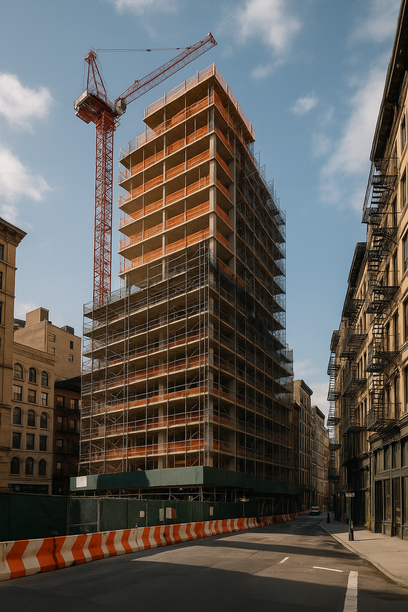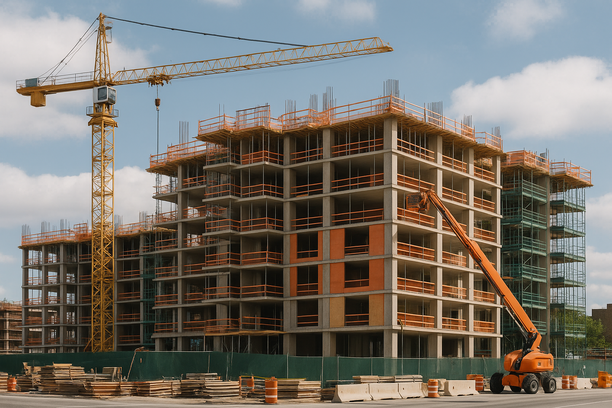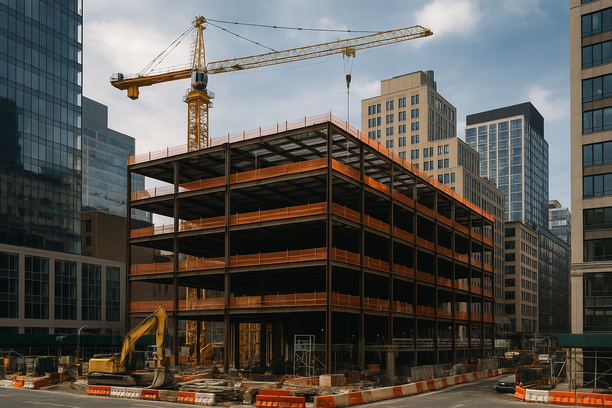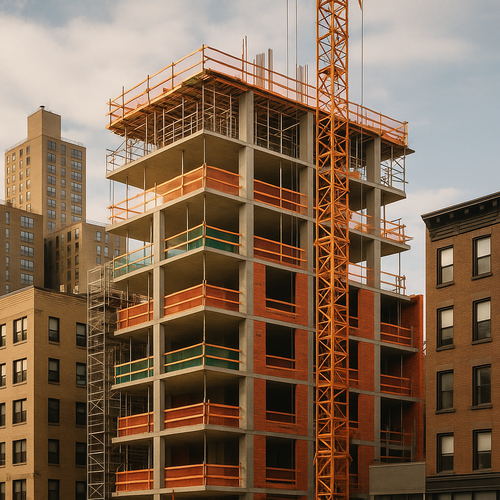

NYC’s construction pipeline just picked up another headline project: JCS Realty filed plans for a 495‑unit residential complex in Hunters Point, Queens, topping the latest roundup of New York City construction permits (source: The Real Deal, Sept. 9, 2026). It’s a clear signal that large, transit-oriented development remains a core driver of the market.
Why this matters in Hunters Point
– The neighborhood is now prime, not emerging. Transit access, skyline views, and quality-of-life factors keep drawing capital to the Queens waterfront.
– Scale changes everything. Nearly 500 units will reshape retail demand, strain local infrastructure during buildout, and require sophisticated logistics.
– Execution risk is real. Managing permits, inspections, DOB rules, MWBE utilization, safety, and subcontractor sequencing takes tight coordination.
How it fits the broader NYC picture
– Capital is following transit and density. Alongside Hunters Point, Forest Hills (390 units over a subway), and Hudson Yards show momentum in mixed-use and commercial on Manhattan’s West Side.
– Institutional projects balance the cycle. The Metropolitan Museum of Art’s expansion and the Second Avenue Subway extension keep specialty trades busy and stabilize demand across market swings.
– Permit roundups are leading indicators. They reveal where labor, materials, and subcontractor availability will tighten next.
Implications for mid-sized firms (30–100 employees)
– Labor and subs: Multi-year megaprojects soak up union and open-shop labor, pressuring wages and availability for smaller jobs.
– Schedule pressure: Developers with hundreds of units on the line set aggressive milestones and push coordination across trades.
– Compliance load: Certified payrolls, lien waivers, safety logs, insurance, MWBE, and real-time cost visibility are table stakes.
System moves to make now
– Elevate Sage 300 CRE from accounting to operational control—tie it to field tools like Procore or TimberScan.
– Update job cost daily (not weekly). Track committed costs and exposure in real time.
– Standardize change-order workflows and claim documentation. Shorten approval cycles.
– Keep MWBE, safety, and lien files audit-ready. Reduce admin friction on pay apps and closeout.
– Forecast cash flow across overlapping projects; align draws with procurement schedules.
– Monitor capacity: crew loading, critical subs, and long-lead materials to prevent bottlenecks.
Field logistics focus for a dense waterfront build
– Plan deliveries and staging to minimize street closures; coordinate with DOT and local precincts.
– Lock in a DOB-compliant Site Safety Plan and communication cadence for neighbors and agencies.
– Verify utility capacity and phasing; protect transit, pedestrian flows, and open space.
Bottom line
NYC’s next cycle is defined by big residential, mixed-use, and transit-proximate work, with institutional and infrastructure projects smoothing the curve. The firms that win will pair field expertise with back-office precision.
Ask yourself: Can your systems show every project’s status in real time—before the numbers become a problem?
Reference: The Real Deal permit roundup
https://therealdeal.com/data/new-york/2026/new-york-citys-top-construction-permits-sept-4-2026/