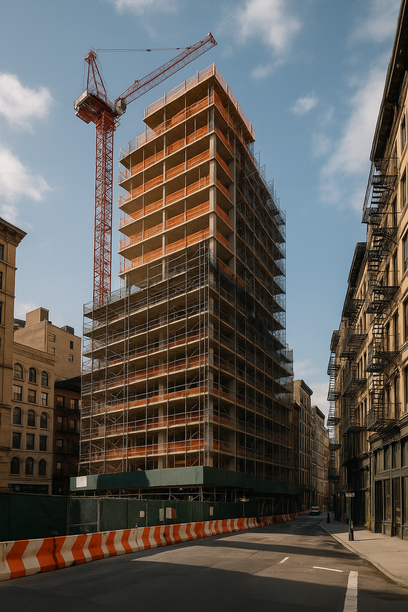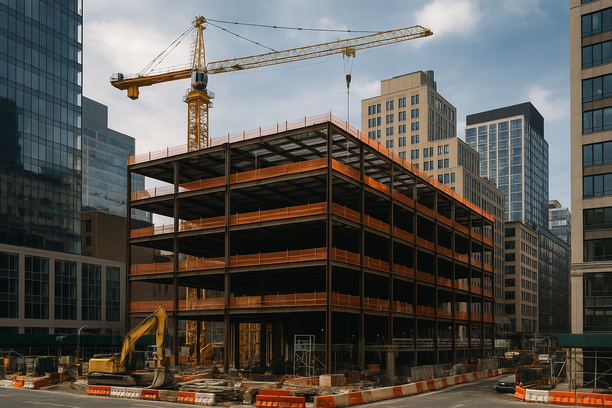
Breaking news: Grubb Properties has secured a $377 million construction loan for a major development in Lower Manhattan’s Financial District. In a market still wrestling with high interest rates and cautious lending, this financing is a strong vote of confidence in New York City’s long-term resilience and its ongoing commercial real estate renaissance.
Why this matters for mid-sized NYC construction firms (30–200 employees): large, lender-backed projects create real opportunities across the trade ecosystem—subs, GCs, suppliers, and the back office teams that keep every dollar aligned in systems like Sage 300 CRE. But they also raise the bar on pricing discipline, schedule performance, and compliance.
The FiDi context: long a hub for office towers, the neighborhood is deep into a new chapter of adaptive reuse, mixed-use, and luxury residential development. Lenders are still stepping up for projects that make sense in a post-2020 world: clear tenant and occupancy strategies, experienced delivery teams, and rock-solid financial controls.
Ripple effects you should expect:
– Demand surge: mechanical, electrical, plumbing, and specialty trades will be in higher demand; suppliers face tighter delivery windows and elevated on-site safety and compliance.
– Margin pressure: competition intensifies, sub pricing can rise, and lead times stretch. Real-time cost tracking, automated billing, and crew scheduling become essential to protect profitability.
– Higher standards: lender oversight forces tighter documentation, accurate forecasting, and transparent change order management. These expectations cascade down to every GC and licensed trade.
Why NYC’s pipeline stays resilient:
– Global talent magnet: finance, tech, and creative industries continue to prioritize top-tier NYC locations.
– Scarcity of trophy assets: premium Class-A supply remains limited; tenants pay for quality, amenities, and reliability.
– Policy support: incentives and zoning adjustments help restart viable projects and make large financings more attractive.
What to do now if you’re a mid-sized builder:
– Reporting frequency: move daily field data directly into Sage 300 CRE for up-to-the-minute job cost visibility.
– Change order efficiency: standardize and automate approvals to avoid revenue leakage and billing disputes.
– Compliance and lien tracking: maintain watertight documentation—wage reporting, insurance, safety logs, and lien releases—to meet lender scrutiny.
Bottom line: The $377M FiDi loan is more than a headline; it’s a signal that Manhattan continues to set the pace—and that operational excellence is non-negotiable. With Sage 300 CRE and disciplined project controls, mid-sized contractors can compete, win, and protect margins in a market that rewards precision.
References:
– Bisnow Top Stories: https://www.bisnow.com/top-stories
– New York Business Journal (Construction): https://www.bizjournals.com/newyork/news/commercial-real-estate/construction