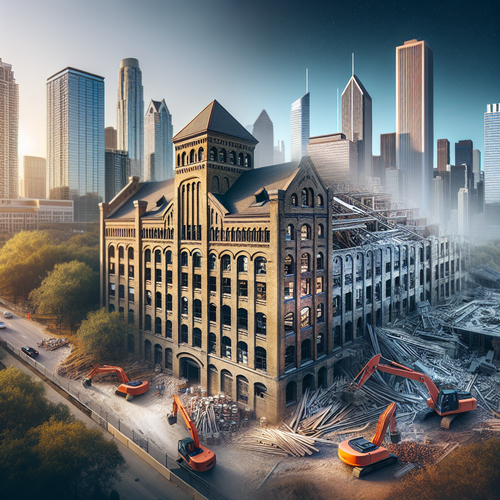
On December 17, 2024, Urbanize New York reported an ambitious adaptive reuse project that will transform a 19th-century brewhouse in Staten Island into a mix of residential and commercial spaces. It is a quintessential New York story: preserving history while answering today’s demand for housing, workplaces, and community vibrancy. For NYC construction firms—especially those running Sage 300 CRE—this is more than a headline. It is a clear signal that adaptive reuse will be central to the city’s next wave of projects.
Why adaptive reuse is having a moment
– Heritage meets housing need: Reuse delivers new, often more affordable space without erasing the buildings that define neighborhoods.
– Sustainability in action: Reusing structures reduces demolition waste and embodied carbon—critical as citywide green requirements tighten.
– Economic multiplier: Complex renovations create high-skill jobs and catalyze local revitalization.
What makes these projects challenging
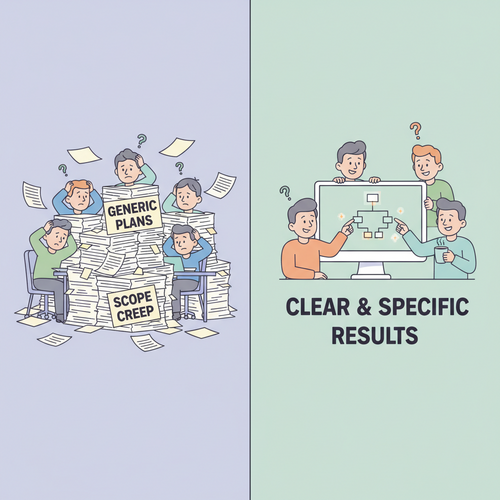
Adaptive reuse magnifies complexity. Historic buildings often hide structural surprises, outdated wiring, and incomplete documentation. Compliance is heavier too—historic preservation reviews, environmental checks, accessibility, and safety must be reconciled with old footprints. Schedules are tight, margins are tighter, and coordination across trades can push teams to the limit. The firms that win are the ones that bring precision in estimating, real-time visibility in execution, and airtight compliance documentation.
How Sage 300 CRE supports adaptive reuse delivery
1) Get laser-clear with cost tracking
Uncovered conditions are routine. Configure cost codes for investigation and abatement phases, log time and materials from the field daily, and enforce same-day change order entry. Real-time job cost dashboards help PMs spot variance early and protect margin.
2) Automate your compliance trail
Historic and adaptive projects multiply paperwork. Centralize submittals, RFIs, photos, permits, meeting minutes, and inspection results. Use automated reminders for expirations and inspections, and store approvals with traceable versions to simplify audits and pay apps.
3) Connect office to field
Daily logs, safety checks, punchlists, and progress photos should sync to the back office without delay. Mobile time and production entry tied to Sage 300 CRE accelerates billing, improves work-in-place accuracy, and keeps the schedule aligned with reality.
4) Scenario plan for surprises
Model what-if cases: extended abatement, structural reinforcement, lead times on specialty materials, or utility upgrades. Use forecast-to-complete and committed cost views to understand schedule and budget impact before it hits the bottom line.
A Staten Island case with citywide lessons
The brewhouse conversion illustrates how city agencies, architects, and contractors can turn constraints into catalysts. It demands specialty subs, precision coordination, and a digital backbone that keeps teams aligned. For growth-minded GCs and CMs, strengthening estimating, procurement, and project controls inside Sage 300 CRE is no longer optional—it is the edge.
Practical first steps
– 30 days: Standardize cost codes for adaptive reuse phases (investigation, abatement, selective demo, structure, MEP upgrades), enable field time and photo capture, and centralize RFIs and submittals.
– 60 days: Automate compliance reminders, link meeting minutes and decisions to cost events, and roll out change order SLAs for faster approvals.
– 90 days: Build scenario templates for common risks, integrate production tracking with schedule milestones, and refine dashboards for executive and PM views.
The bottom line
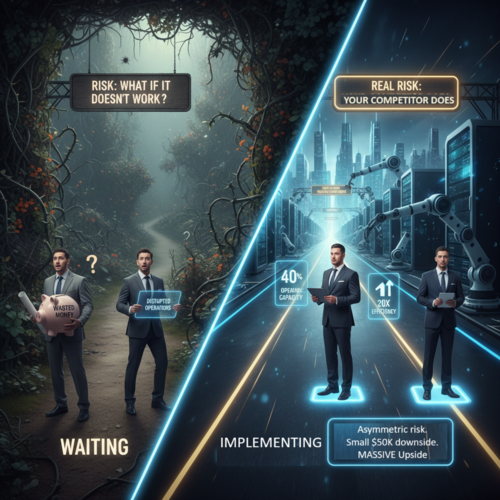
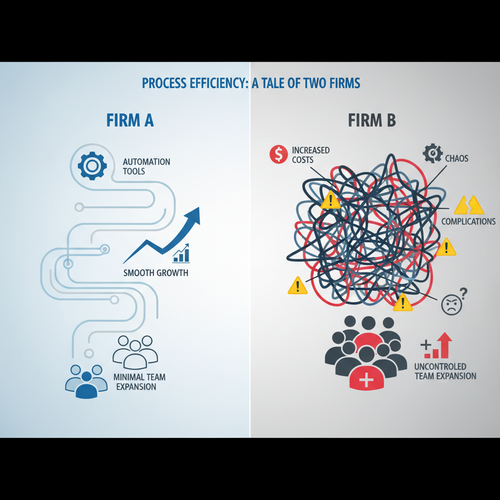
Adaptive reuse is not a niche—it is a core strategy for NYC’s built environment. Projects like the Staten Island brewhouse reveal where opportunity and risk intersect. Firms that digitize cost control, automate compliance, and connect field-to-office in Sage 300 CRE will turn complexity into competitive advantage. Those that do not will struggle with overruns, rework, and missed deadlines.
Want to see how leading NYC contractors are configuring Sage 300 CRE to win and deliver adaptive reuse work? Let’s talk.
Source: Urbanize New York (December 17, 2024) — https://nyc.urbanize.city