
A major signal just flashed in Brooklyn’s multifamily market. JLL Capital Markets has arranged a $175 million construction loan for Domain Cos. to build a 22-story, 300-unit mixed-use tower at 155 Third Street in Gowanus. The plan calls for 225 market-rate apartments, 75 affordable units, and more than 30,000 square feet of retail and commercial space. Enabled by the Affordable New York tax abatement, delivery is targeted for late 2027.
Why this deal matters
– Multifamily momentum: Rezoning has transformed Gowanus from industrial corridor to residential destination, unlocking height and density.
– Financing is thawing: After a cautious period, lenders are backing high-quality urban mixed-use, particularly when affordability and tax incentives are in place.
– Complexity is the new normal: Mixed-income housing plus retail adds layers of compliance, documentation, MEP coordination, and TI timelines—raising the bar on project controls.
Rezoning as catalyst
City-led changes in Gowanus are channeling investment into new housing and neighborhood-focused retail. Taller buildings and greater density come with modern environmental and community requirements. Contractors, engineers, and developers must build to new codes while proving compliance across design, procurement, field operations, and IT.
Financing and affordability—two sides of the same coin
Affordable New York is pivotal. Committing to below-market units unlocks material tax benefits that make large projects pencil, even in high-cost NYC submarkets. But those benefits require rigorous, audit-ready reporting through construction and lease-up. Teams must document eligibility, unit mix, leasing, costs, and timelines with precision.
The return of big loans demands better data
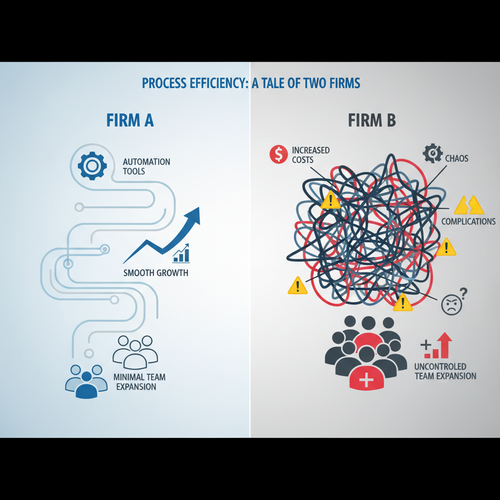
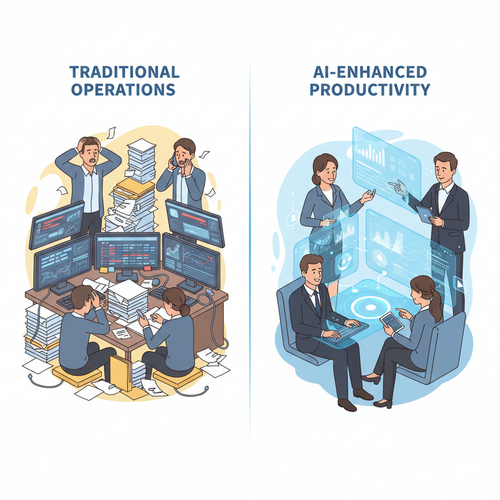
Lenders and underwriters now expect security, transparency, and verifiable controls. If your cost data, commitments, change orders, and compliance reports are fragmented or manual, you risk being sidelined—regardless of field execution. The firms that win will be the ones that can prove control, not just claim it.
What mid-sized firms (30–200 employees) running Sage 300 CRE should do now
– Implement daily job cost visibility: Real-time actuals vs. budget, committed cost tracking, and earned value at WBS/cost code level.
– Tighten PM–accounting integration: Clean handoffs for commitments, COs, pay apps, retainage, and lien waivers; reduce rekeying and reconcile variances weekly.
– Stand up compliance workflows: Affordable housing requires scheduled submissions; automate document capture, approvals, and audit trails.
– Strengthen data integrity and security: Role-based access, segregation of duties, attachment controls, and lender-ready reporting.
– Coordinate retail + residential scopes: Plan TI allowances, vendor onboarding, and MEP commissioning with clear milestones and dependencies.
Looking ahead
This Gowanus financing is likely a harbinger for more marquee projects across rezoned NYC neighborhoods. Competitive advantage will favor teams that manage complexity, deliver audit-ready documentation, and hit aggressive schedules without sacrificing controls.
Bottom line
If you’re preparing to pursue larger mixed-use work, invest in the back office as seriously as the field. Hardening your Sage 300 CRE environment, integrating project management, and systematizing compliance will position you to bid, build, and closeout with confidence.
Source: REBusinessOnline
JLL Arranges $175M Construction Loan for Brooklyn Apartment Tower