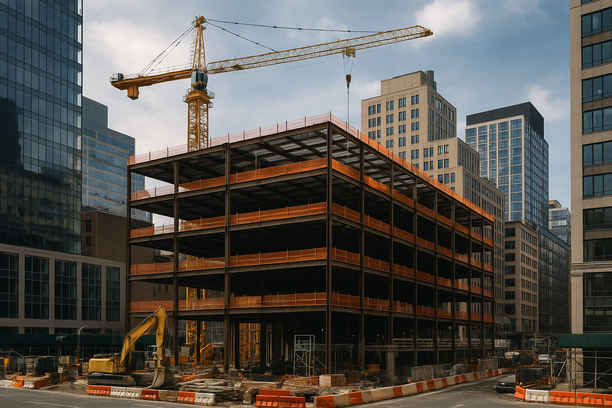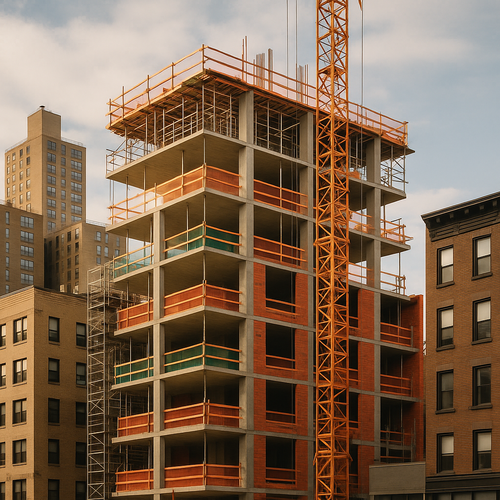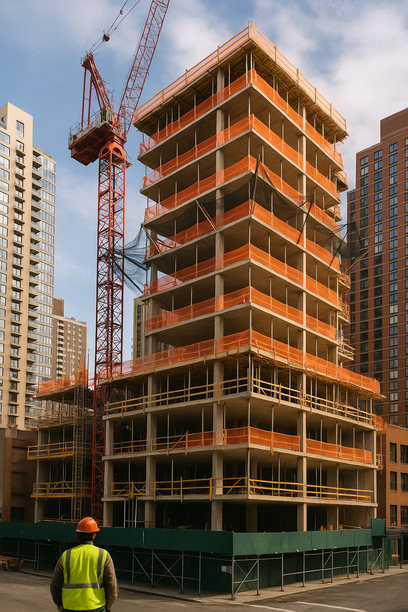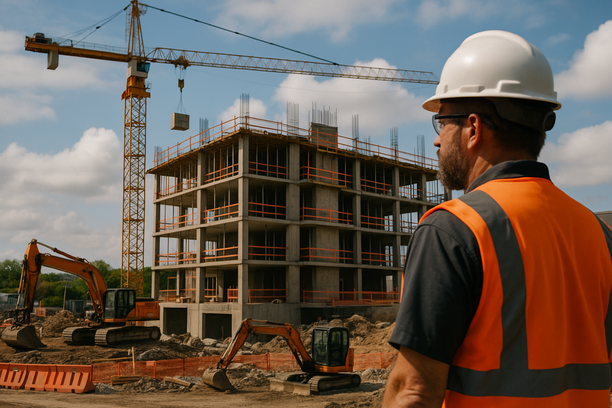
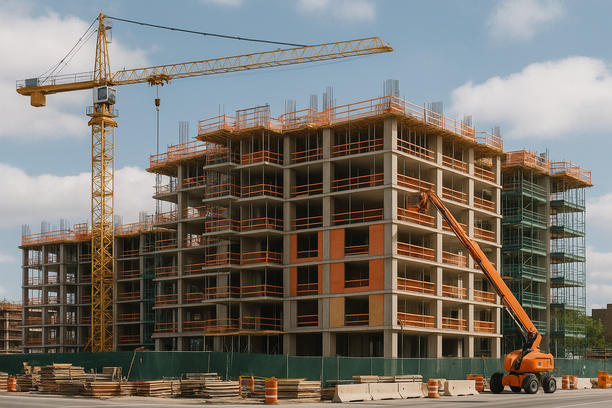
A major new development is set to reshape a key stretch of Brooklyn. Developing New York State has filed permits for two 18‑story, ground‑up mixed‑use buildings at 996 and 998 Atlantic Avenue in Crown Heights. Together, the towers will span 171,591 square feet and deliver 303 apartments above street‑level commercial or community facility space—marking NYC’s largest new building application for the week ending October 9, 2026.
Quick facts
– Developer: Developing New York State
– Address: 996 & 998 Atlantic Avenue, Crown Heights, Brooklyn
– Scale: Two 18‑story mixed‑use towers
– Size: 171,591 combined square feet
– Units: 303 apartments
– Status: New building permits filed
Why this project matters
– Atlantic Avenue’s transformation continues: Long a transit and commercial spine, Atlantic is emerging as a development corridor linking Downtown Brooklyn, Boerum Hill, Prospect Heights, and Crown Heights. Adding 303 homes here pushes density deeper into Crown Heights and signals continued momentum for upzoning and infrastructure upgrades along the avenue.
– Scale in a mid‑rise context: Two 18‑story towers will reset local height and density expectations, bringing more residents, increased retail demand, and both pressure and opportunity for transit, schools, and utilities.
– Housing pipeline gains: In a tight rental market, a 303‑unit addition won’t solve the shortage but does move the needle—more options for renters and another sizable, multi‑year project for the industry.
– Confidence in construction: Reaching the permit stage for large mixed‑use buildings demonstrates ongoing developer confidence in NYC despite cost volatility, interest rate uncertainty, and regulatory complexity.
Local impacts to watch
– Housing supply and neighborhood change: A sudden influx of households will influence pricing, competition among landlords, and neighborhood demographics. Final affordability details (if any) will shape the project’s income mix and the pace of neighborhood change.
– Retail and streetscape: Ground‑floor commercial or community space can activate Atlantic Avenue with cafés, shops, and services. Expect stronger foot traffic and a more vibrant streetscape, alongside questions about commercial rents and the future of legacy businesses.
– Infrastructure and transit: Crown Heights is transit‑rich yet crowded. Concentrating 303 households will increase peak‑hour loads on subways and buses, strain utilities, and raise stakes for street safety, loading zones, and pedestrian crossings along a high‑speed arterial.
Implications for NYC builders and subs
Projects in the 200–400‑unit range have become the sweet spot for multifamily mixed‑use in NYC—tall enough to maximize value without super‑tower complexity. For contractors and specialty trades, twin‑tower jobs heighten operational demands:
– Cost control: Guard margins amid volatile materials and labor markets with disciplined estimating, procurement, and change management.
– Scheduling and logistics: Phase two adjacent structures cleanly; coordinate cranes, deliveries, and trades to avoid site conflicts.
– Field‑to‑office integration: Treat your construction ERP as a control tower. Real‑time job cost reporting, progress billing, change order workflows, and compliant payroll keep lender scrutiny satisfied and cash flow predictable.
How it fits NYC’s bigger housing story
– Transit‑oriented density: Building near high‑capacity transit remains a core strategy for addressing housing needs; Atlantic Avenue checks that box.
– Mixed‑use as default: Combining residential with ground‑floor activation supports resilient revenues for owners and livelier streets for communities.
– Incremental but meaningful: Each 300‑unit project matters. Aggregated across corridors like Atlantic, these additions move supply toward demand.
– Rising complexity: Larger mixed‑use buildings bring advanced MEP systems, tighter energy codes, and more checkpoints—elevating the premium on coordination and compliance.
Key questions ahead
– Affordability: Will any units be income‑restricted, and at what AMI levels?
– Design and streetscape: How will ground floors meet the sidewalk and improve the pedestrian experience on Atlantic?
– Community response: What feedback will emerge from Crown Heights residents and local stakeholders?
– Timeline and budget: Can the project navigate costs and financing to stay on schedule without scope reductions or delays?
Bottom line
996–998 Atlantic Avenue is more than a permit filing—it’s a bellwether. For Crown Heights, it signals added housing, new retail energy, and infrastructure considerations. For NYC builders, it’s a blueprint for what’s financeable today: mid‑ to high‑rise mixed‑use that rewards tight cost control, disciplined scheduling, and strong project controls. As Brooklyn’s corridors absorb new housing, firms that pair field expertise with robust financial and operational systems will be best positioned to win—and deliver—the next 303‑unit job.
Source: The Real Deal roundup on NYC’s top construction permits (week ending Oct 9, 2026): https://therealdeal.com/data/new-york/2026/nycs-top-construction-permits-week-ending-oct-9-2026/