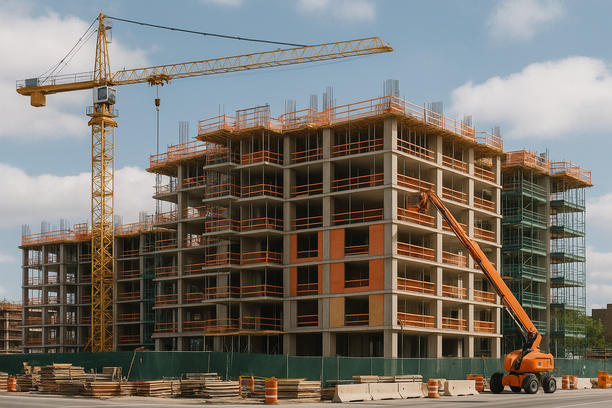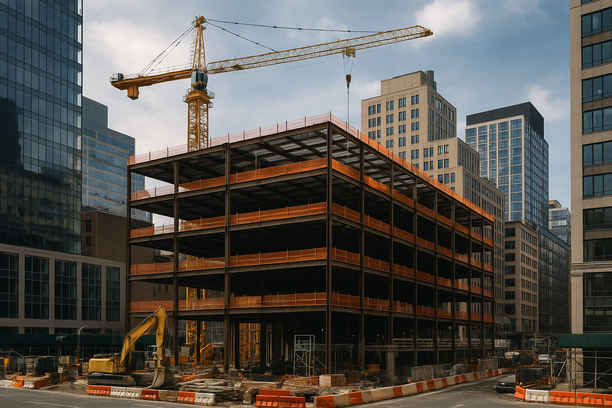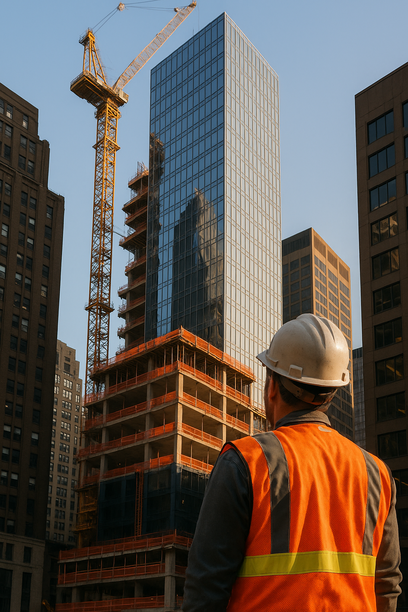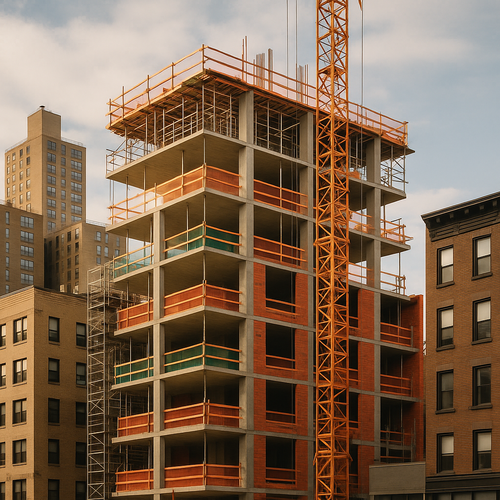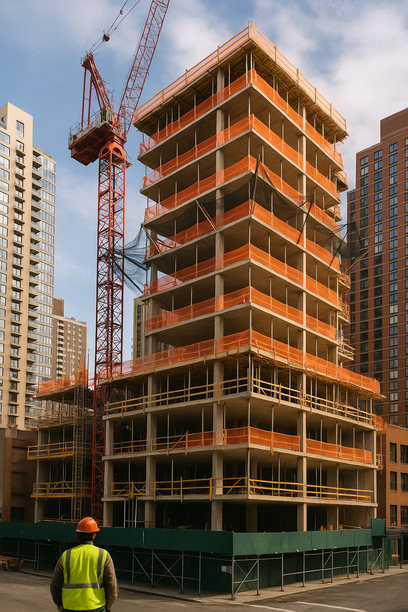
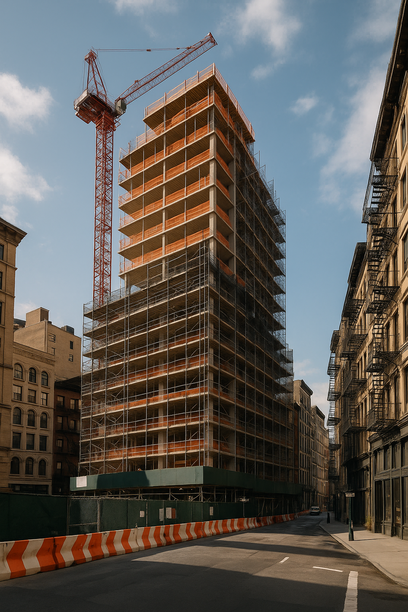
Tribeca is getting a new 24‑story neighbor at 65 Franklin Street, on the corner of Franklin and Broadway. According to the October 19 Tribeca Citizen newsletter, the 300‑foot condominium has begun construction with a projected two‑year schedule and a target completion in summer 2028. In a corridor already taxed by long‑running disruptions—most visibly the long‑blocked construction yard along Broadway at 26 Federal Plaza—this project will be judged as much by its street‑level management as by its skyline impact.
Why 65 Franklin matters
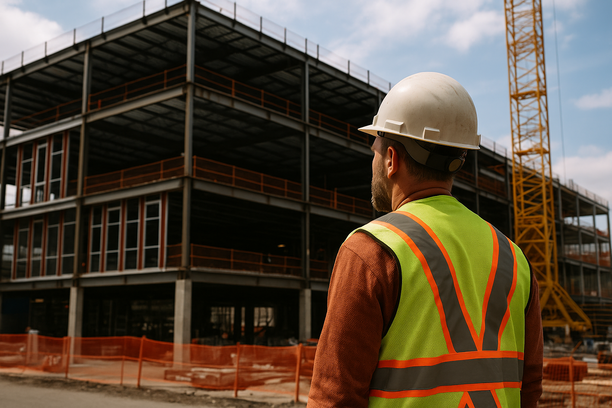
A high‑rise on a tight corner means two years of sidewalk sheds, fencing, lane adjustments, and just‑in‑time deliveries. Pedestrian reroutes will affect retail visibility and restaurant access; curb lanes will need to accommodate material drops, concrete pumping, and hauling alongside buses, rideshare, and freight. When coordination is tight, neighbors are merely inconvenienced. When it slips, a site can start to resemble the worst‑case scenario many cite at 26 Federal Plaza: public space consumed by a “temporary” condition that overstays its welcome.
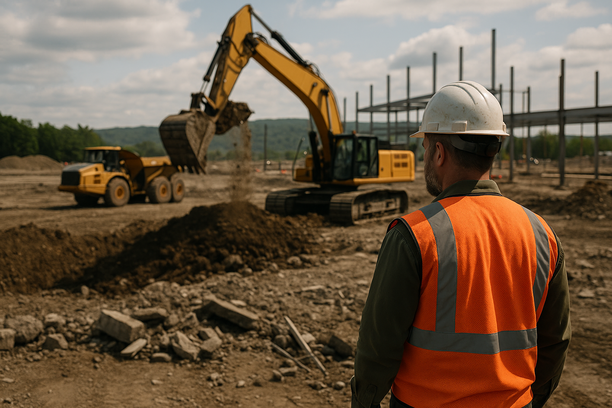
Expect a familiar sequence of impacts. Excavation and foundation work bring the loudest activity—drilling, possible pile driving, rock breaking, and heavy trucking. As the superstructure rises, noise remains steady with concrete pours, decking, and crane operations. Once the façade and windows go in, interiors shift the activity inward, though deliveries and trades still affect the curb. Even when a site meets NYC DOB rules, nearby residents and businesses feel the day‑to‑day reality: dust on sills, low‑frequency vibration in older buildings, and work‑hour noise that cuts into meetings and lunch service.
The shadow of 26 Federal Plaza
Locals know the Broadway corridor has lived with barricades and a semi‑permanent yard near 26 Federal Plaza for years, despite appearances that major work there is complete. That experience sets expectations—and anxieties—about 65 Franklin. The neighborhood will look for visible progress, clear timelines, and a decisive close‑out. When a site looks stalled, patience evaporates quickly.
What contractors and developers must get right
Four factors will shape how Tribeca experiences this build:
– Schedule accuracy and public honesty: “Two years, through summer 2028” must include realistic buffers for permitting, inspections, weather, and supply chain. Milestones like topping out, façade completion, and shed removal should be updated and shared, not just with lenders but with neighbors.
– Rigorous cost and change management: Unmanaged change orders quietly inflate budgets and extend general conditions—keeping sheds and lane closures in place longer than promised. Integrated job cost controls and schedule analytics help prevent a two‑year plan from turning into three and a half.
– Street and stakeholder coordination: DOT traffic control plans, DOB compliance, and predictable work windows should be paired with simple, consistent community communications—updated notices, a reliable point of contact, and clear expectations around noisy phases.
– Clean close‑out and demobilization: Substantial completion isn’t the public’s finish line. Removing sheds, barriers, and staging—and restoring curb lanes and sidewalks—requires planning and budget long before the last punch list.
Why this is a test for NYC project teams
For mid‑sized contractors and developers, 65 Franklin is a live benchmark. Community boards and agencies watch for sites that look stagnant; residents compare every disruption to the 26 Federal Plaza precedent. Strong ERP and construction management tools provide the real‑time cost, schedule, documentation, and compliance backbone needed to keep dates credible and impacts contained.
What Tribeca should watch next
– Continuous, visible activity—not long dormant stretches.
– Clear signage and advance notice for any sidewalk or traffic changes.
– Predictable noise patterns, clustered into known windows.
– A clean, decisive demobilization when the building is truly finished.
If those boxes are checked, the 24‑story tower will fade into daily life as the street grid returns to normal. If not, 65 Franklin risks becoming another cautionary tale along Broadway. For everyone involved—from developers to field supers to back‑office teams—the lesson is simple: in a neighborhood this dense and vocal, schedule discipline, cost control, and consistent communication are not optional. They are the project.