
Far Rockaway’s New 55-Unit Tower: What This NYC Development Signals for Builders and Owners
What happened
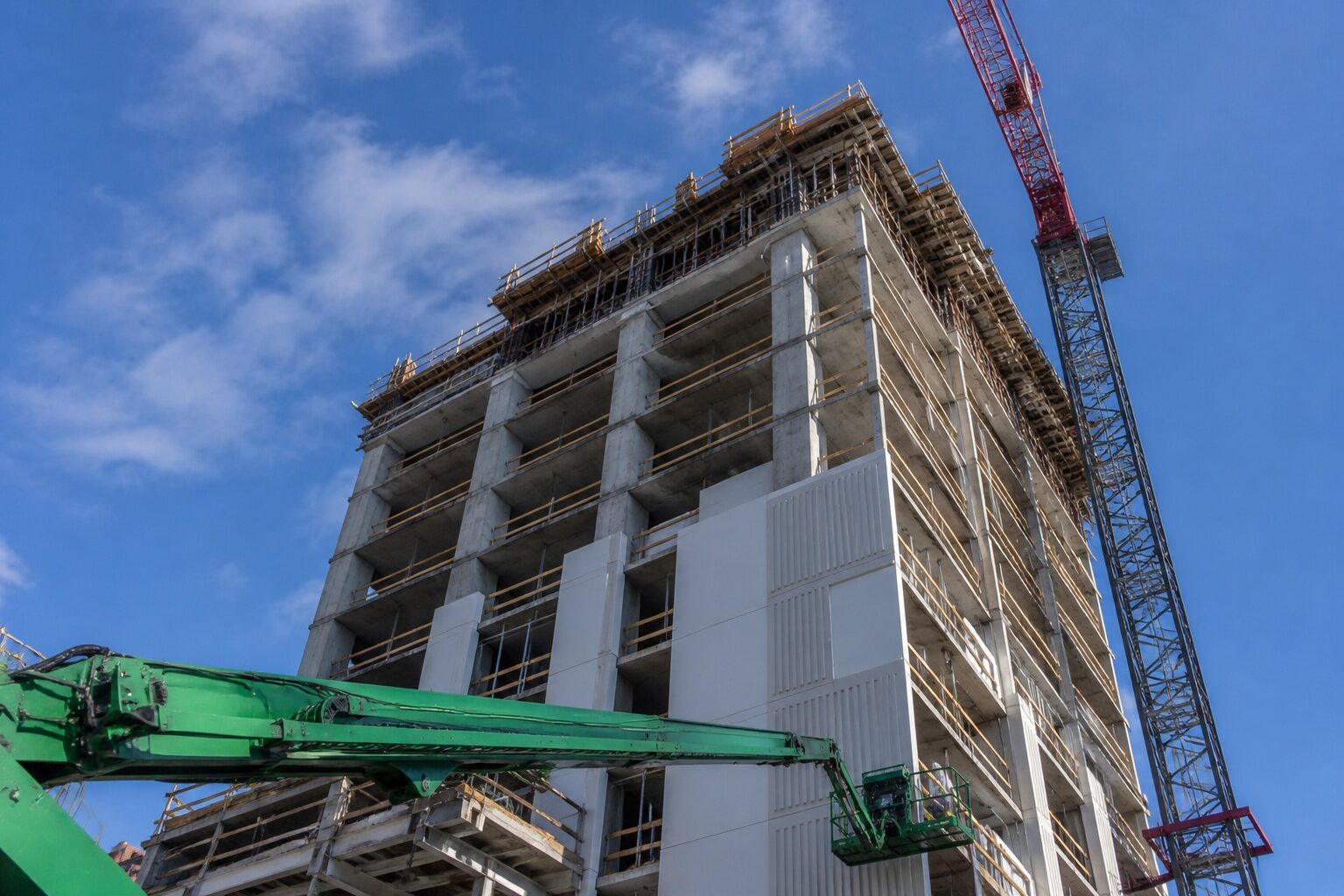
A new building application was filed with NYC DOB for a 12-story, 55-unit residential tower on Beach 9th Street in Far Rockaway, Queens. The filing arrived 609 days after the site changed hands in a $5.1M deed transaction, providing a rare, quantified snapshot of acquisition-to-permit timing in today’s market.
Why it matters
- Outer-borough momentum: Mid-rise, elevator-served multifamily is extending deeper into waterfront neighborhoods once considered too distant, flood-prone, or under-amenitized to support vertical density.
- Quantified pre-construction risk: A 609-day lag underscores the invisible work—entitlements, design coordination, environmental and flood-zone compliance, financing, and lender diligence—that must be completed before a shovel hits the ground.
- Climate-forward development: Post-Sandy standards push stronger structures, higher critical elevations, and better building performance—turning each new project into a resilience investment for the neighborhood.
Far Rockaway in context
Far Rockaway has seen slow-but-steady interest as rezoning efforts, transit access (A train, LIRR, ferry), and relative affordability draw incremental investment. Financing remains selective, but the presence of new mid-rise filings indicates lenders and equity see a viable exit when land basis is reasonable and the unit mix is efficient.
Implications for developers, owners, and GCs
- Plan for longer fronts: Expect extended design and permitting cycles with more agency touchpoints and documentation. Build in schedule float and carry costs.
- Make preconstruction count: Tighten design coordination (architect, structural, MEP), lock a clear permitting roadmap, and document compliance early—especially around flood-zone and energy codes.
- Treat data as infrastructure: Maintain real-time visibility into budgets, schedules, and lender/insurer requirements. Integrated tools and disciplined controls are critical to protect margin once construction begins.
Affordability and community impact
Fifty-five apartments will not remake the city, but each code-compliant building adds safe, efficient supply that helps relieve pressure at the margins. If income-restricted units are included, that can support local retention and a more resilient tenant base; even at market rate, newer stock can elevate safety and performance standards neighborhood-wide.
The takeaway
This filing is a small story with big signals: prolonged preconstruction timelines, steady (if cautious) outer-borough growth, and a continued vote of confidence in climate-ready, mid-rise multifamily. In 2026’s environment, progress is still happening—more carefully, with higher stakes, and with greater emphasis on planning, resiliency, and execution.
Source: The American Developer – NYC Real Estate Development News and Permits (updated 2026-11-21): https://theamericandeveloper.com/markets/new-york/