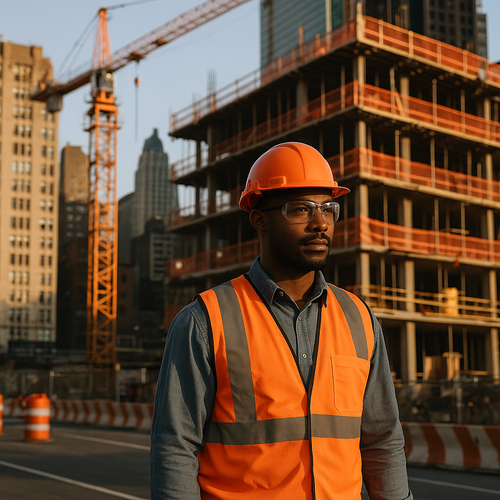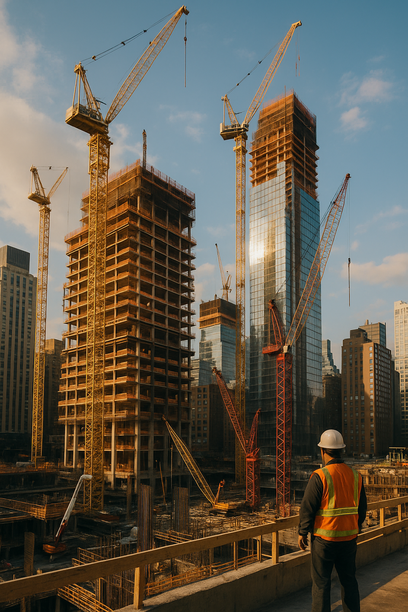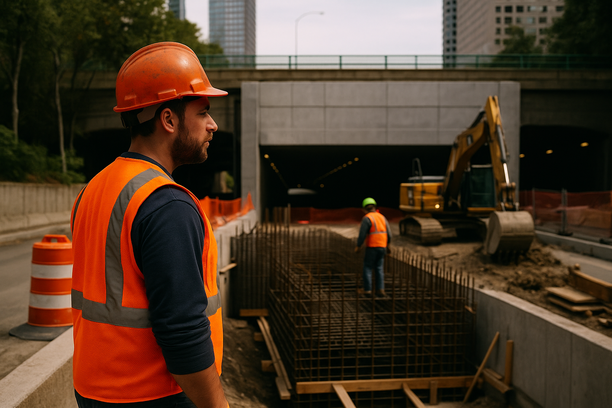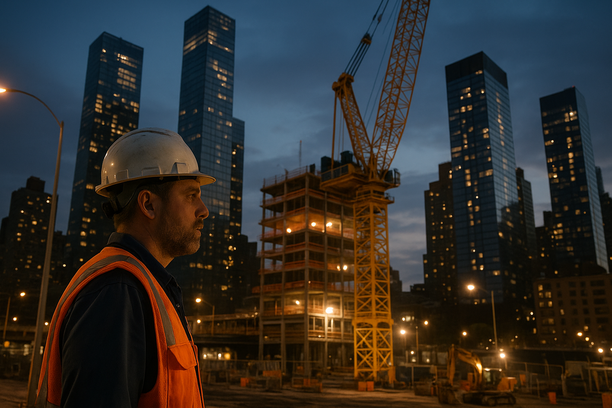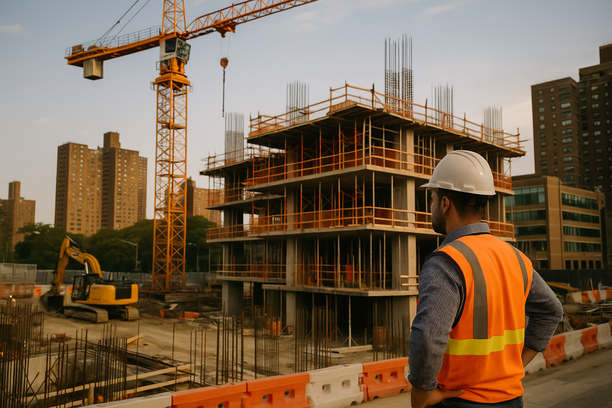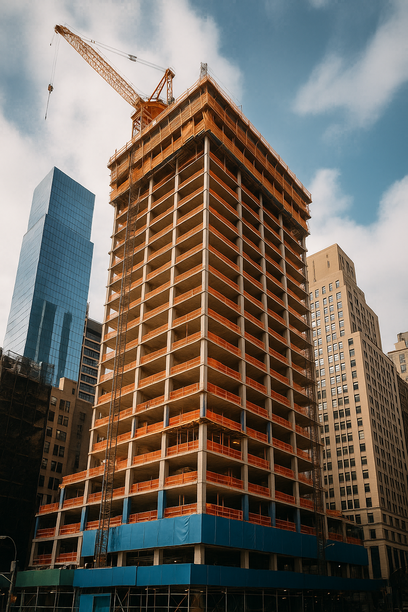
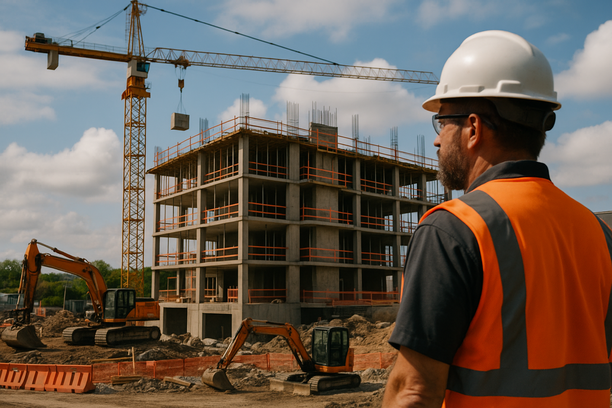
Construction has begun on The Ibex at Ridge Hill, a 282-unit multifamily community in Yonkers, marking another step in Westchester’s shift toward mid-rise, amenity-rich, transit-friendly living. While the initial news is brief, the project fits a clear regional pattern: clustering new housing around retail, lifestyle, and mobility.
A parallel development—the North White Plains Workforce Transit Hub by BRP Companies—adds two six-story buildings centered on rail access and workforce housing. Together, these projects signal how Westchester residents will live, commute, and invest in the years ahead.
Why The Ibex at Ridge Hill matters now
– Housing shortage: Westchester continues to face undersupply. Adding 282 modern rentals in Yonkers is meaningful for local choice and competition.
– Mixed-use momentum: Ridge Hill’s retail, dining, and entertainment are strengthened by new residents, deepening the live-work-play dynamic.
– Evolving commuting: Hybrid work favors mid-density, amenity-forward living near highways and transit—suburban urbanism in action.
– Municipal and investor confidence: Each successful multifamily project supports Yonkers’ tax base, services, and future infrastructure.
Connecting the dots with North White Plains
– Geographic balance: Yonkers anchors the south; North White Plains expands options along the Harlem Line further north.
– Demographic focus: The Ibex likely attracts amenity-seeking renters; the Workforce Transit Hub targets essential, middle-income earners.
– Transit-first design: Both projects prioritize mobility, aligning new housing with existing infrastructure.
Impacts on Westchester’s housing ecosystem
1) Rent pressure relief—incremental, not a cure-all
– Increased choice for renters seeking modern product
– Competitive pressure on older stock
– Potential stabilization of near-term rent growth in the submarket
2) Upgrading the housing stock
– New-build efficiency and sustainability
– Higher amenity standards (fitness, coworking, outdoor space, package rooms, EV readiness)
– Owners of legacy assets may need renovations, common-area upgrades, and pricing resets
3) Stronger retail and local services
– More residents support year-round sales
– Improved tenant mix and resilience for shops and restaurants
– Reinforces the virtuous cycle: residents support retail; better retail attracts more residents and investment
4) Policy and infrastructure tailwinds
– Support for targeted upzoning near transit
– Investment in roads, pedestrian safety, and transit enhancements
– Eligibility for smart-growth funding tied to TOD principles
What this means for real estate professionals
– Tenant expectations are rising: in-unit laundry, fast connectivity, secure parcel handling, fitness/coworking, EV readiness
– Transit proximity is a value multiplier: lead with location, walkability, and commute convenience
– Operations and data discipline are differentiators: integrate leasing, maintenance, and financials to protect NOI
– Precision wins: right site, unit mix, amenities, and price point—no “one size fits all”
Looking ahead
– More mid-rise, transit-friendly projects rather than isolated garden communities
– Deeper integration of retail, residential, and services in walkable districts
– Expanded workforce housing to keep key workers close to jobs and transit
– Greater operational sophistication as new supply raises the bar
Source: Real Estate In-Depth (HGAR) – Construction Begins on 282-Unit The Ibex at Ridge Hill in Yonkers, October 8, 2026: https://www.hgar.com/real-estate-in-depth